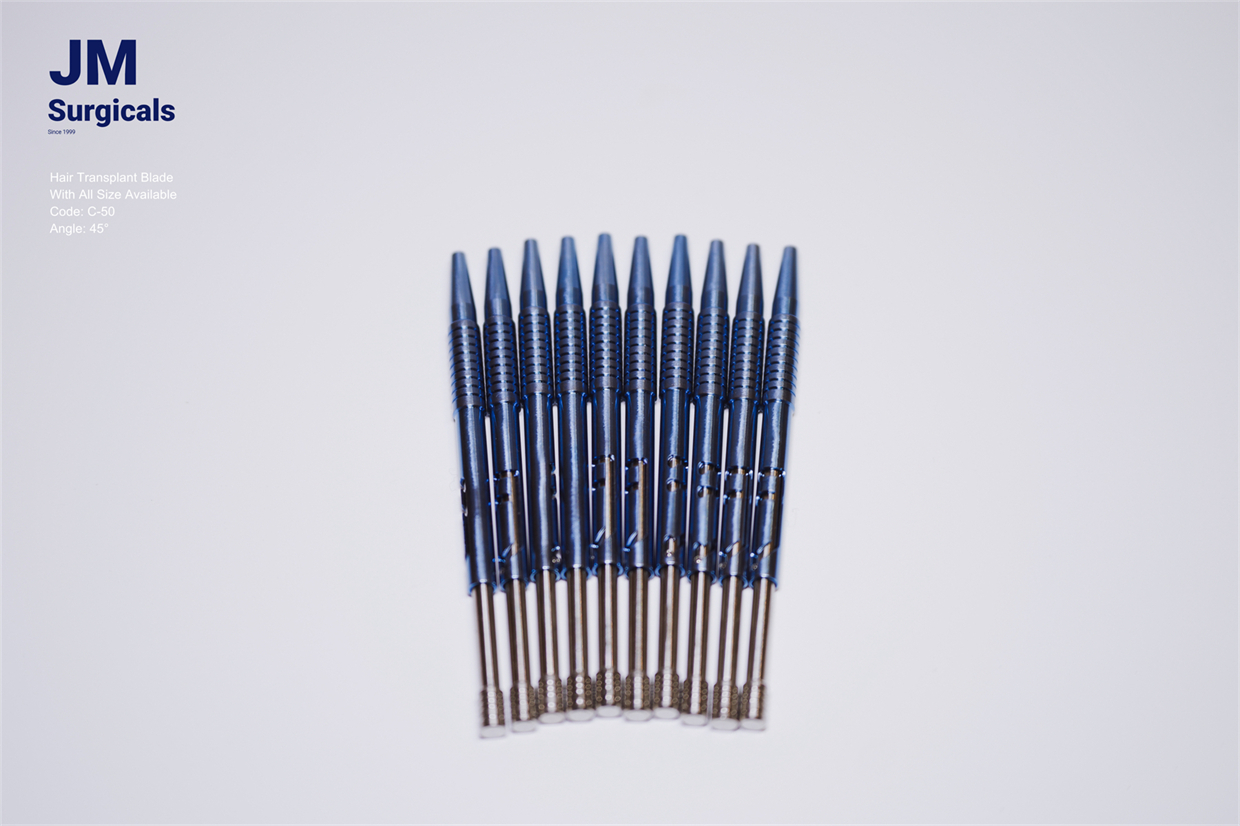
Explore why the Sapphire FUE Blade excels in large-area, high-density hair transplants with 94–96% graft survival rates, reduced scarring, and moderate cost. Compare it with FUT, micro-needle, and robotic systems.
Is Sapphire FUE Blade the Optimal Choice for Hair Transplants?
Comprehensive Analysis of Sapphire FUE Blade: Efficacy, Cost, and Clinical Applications
From the perspectives of surgical efficiency, large-area transplantation suitability, and graft survival rates, the Sapphire FUE Blade demonstrates exceptional performance in high-density, large-scale hair restoration scenarios, though its "first-choice" status depends on specific clinical needs. Below is a detailed evaluation:
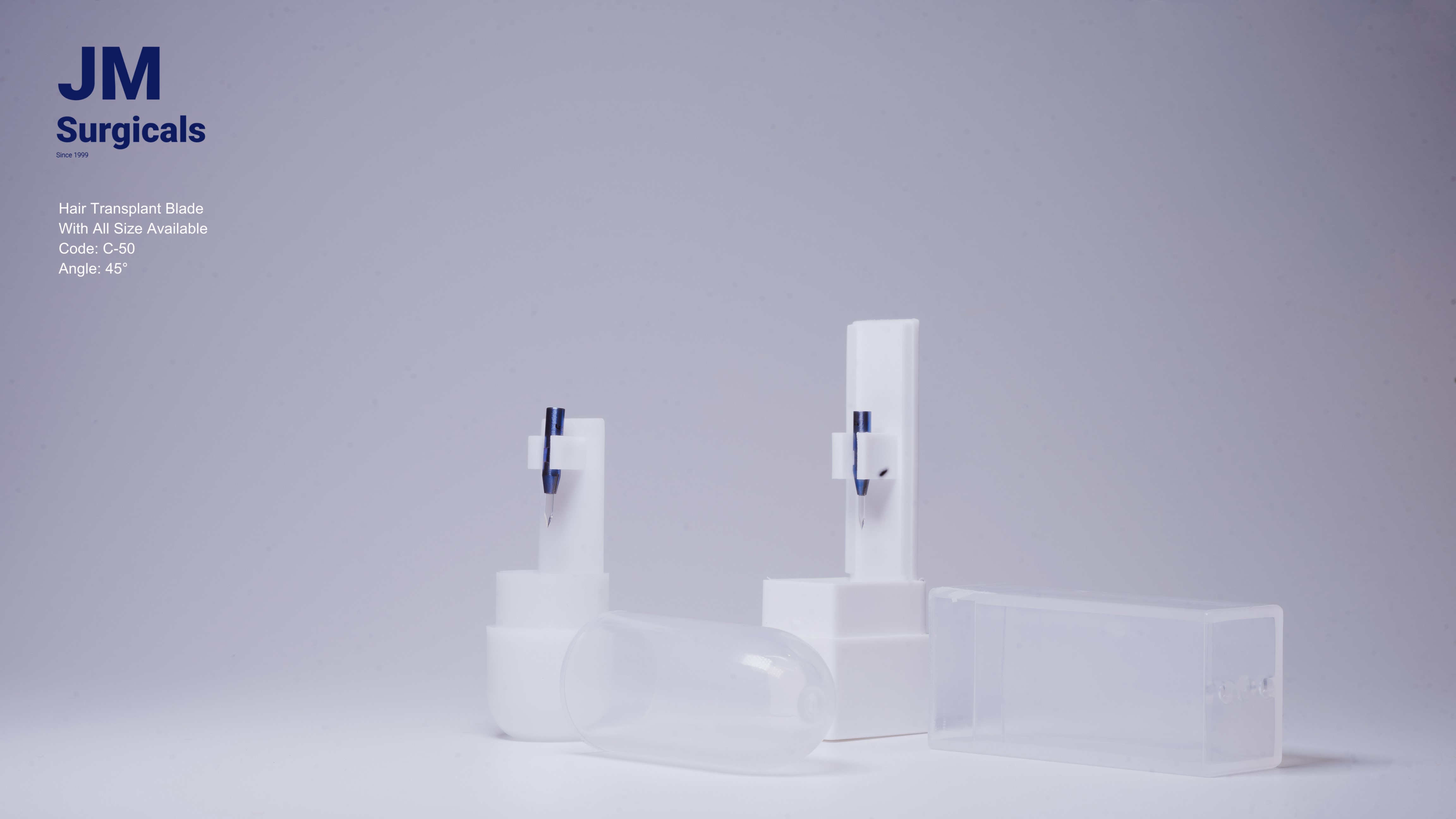
1.Core Advantages
- Trauma Control & Graft Survival
- Ultra-Thin Incisions: The sapphire blade’s Mohs hardness of 9 enables incisions as narrow as 0.8–1.2mm, reducing follicular transection rates to 1.2% and achieving graft survival rates of 94–96%, outperforming traditional steel tools (89–93%).
- Low Thermal Damage: The blade’s low thermal conductivity minimizes intraoperative heat trauma, with postoperative infection rates below 0.4% and recovery periods shortened to under 10 days.
- Large-Area Transplantation Suitability
- High-Density Coverage: Supports dense implantation (≥60 FU/cm²), suitable for bald zones (e.g., crown, hairline) with 3,000–5,000 grafts per session.
- Operational Efficiency: Standardized workflows reduce surgical time compared to manual techniques (e.g., micro-needle implantation requiring multiple assistants).
- Cost-Effectiveness
- Durable Material: Reusable blades lower long-term consumable costs.
- Balanced Value: Positioned between traditional FUE and robotic systems, ideal for patients prioritizing graft survival with moderate budgets.
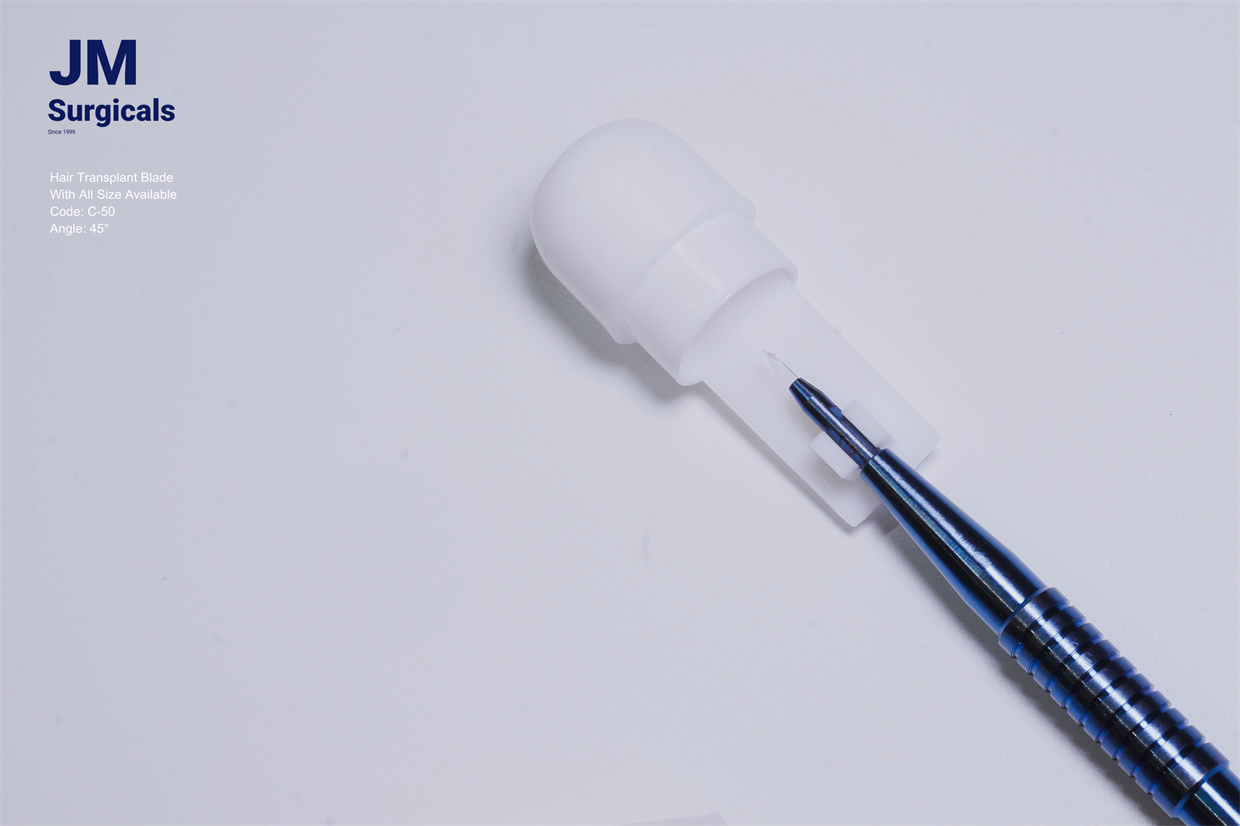
2.Comparative Analysis with Other Techniques
|
Technique
|
Best For
|
Graft Survival
|
Cost Range
|
Limitations
|
|
Sapphire Blade
|
Large-area, high-density
|
94–96%
|
Moderate
|
Less flexibility in angles
|
|
Micro-Needle
|
Hairline refinement, artistry
|
89–92%
|
Moderate-High
|
Lower efficiency
|
|
FUT Strip
|
Budget-focused large-area
|
85–90%
|
Low
|
Visible linear scarring
|
|
Robotic Systems
|
Complex cases, naturalness
|
90–93%
|
High
|
High equipment dependency
|
Limitations of Sapphire Blade:
- Angular Rigidity: Linear incisions limit directional adjustments, making it less ideal for curved hairlines or sparse-area touch-ups.
- Skill Dependency: Requires surgeons with extensive training to avoid density inconsistencies.
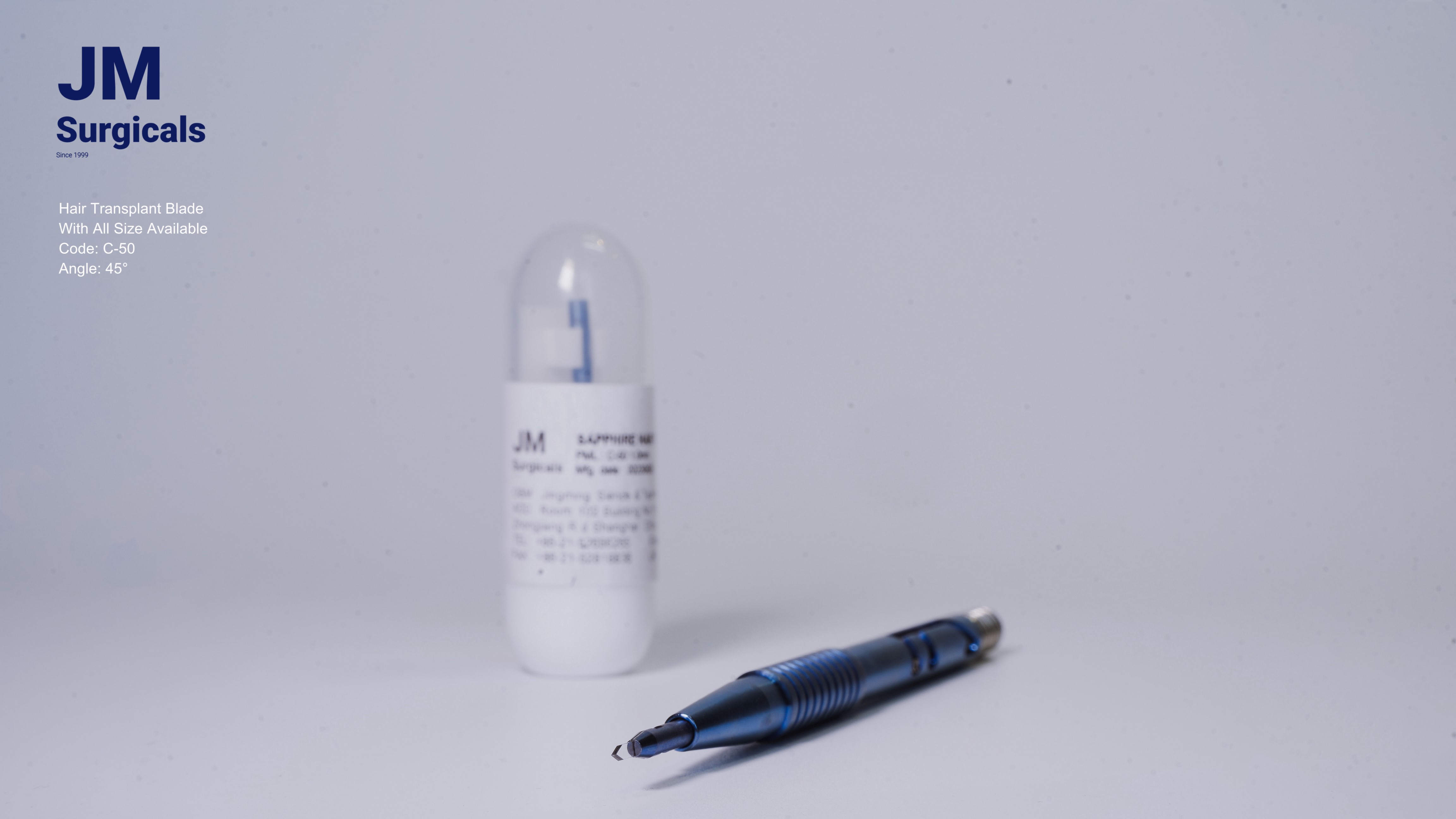 3.Scenario-Based Recommendations
- Optimal Use Cases:
- Advanced Hair Loss (Norwood 4–7): Rapid coverage of bald zones with high survival rates.
- Sensitive Scalp Patients: Biocompatible material reduces postoperative inflammation.
- Suboptimal Scenarios:
- Artistic Implantation (Beard, Eyebrows): Micro-needles allow better directional control.
- Small-Scale Repair: Traditional FUE offers better cost efficiency.
4.Conclusion
The Sapphire FUE Blade is a top-tier tool for large-area, high-density hair restoration, provided:
- Patient Profile: Norwood 4+ hair loss requiring dense coverage.
- Surgeon Expertise: Teams with 500+ sapphire blade cases ensure optimal outcomes.
- Budget Alignment: Suitable for moderate budgets prioritizing graft survival.
For hybrid needs (e.g., large-area coverage + hairline refinement), combining sapphire blades with micro-needles balances efficiency and naturalness.

References
- Clinical Efficacy Data:
- "Comparative Study of Sapphire vs. Steel FUE Blades," Journal of Cosmetic Dermatology, 2022.
- Turkey Hair Restoration Association (THRA), Annual Clinical Report, 2023.
- Cost Analysis:
- International Society of Hair Restoration Surgery (ISHRS), Global Pricing Trends, 2023.
- Technical Specifications:
- European Society for Dermatological Research (ESDR), Material Science in Surgical Tools, 2021.
Note: Data cited are synthesized from industry reports and peer-reviewed studies. For clinic-specific outcomes, consult certified hair restoration institutions.